Preparing Algae for Experiments at Home
There was an attempt...
In my last post I tested a bioreactor that David Jordan built for me (An Agentic Home Bioreactor). He also gave me the algae and growth media for it. But I wanted to try culture some myself properly, so that I could do repeated experiments on my own.
There isn't really much public blogging on how to do these things online, so here's an account of me trying to do that. I went hard by trying to video everything I did here, which are in the gifs below. My rationale for this was that I may not be the most experienced scientist, but nothing is stopping me from being the most explicit. After all I want people to be able to replicate what I did.
Also, if I video stuff then maybe in the future I can use it as training data for lab robots if I do somehow manage to make them.
So here’s my attempt and I’ve post the results in a few days once I inspect the algae for any contaminants.
In terms of vendors for algae and growth media (the stuff you grow algae in), I found a few, with quite a variance in pricing. Ultimately, I got the algae and growing media from Blades Biological. I have no endorsement relationship with this company though. It was just that they were the cheapest and delivery time was two days since I'm based in the UK.
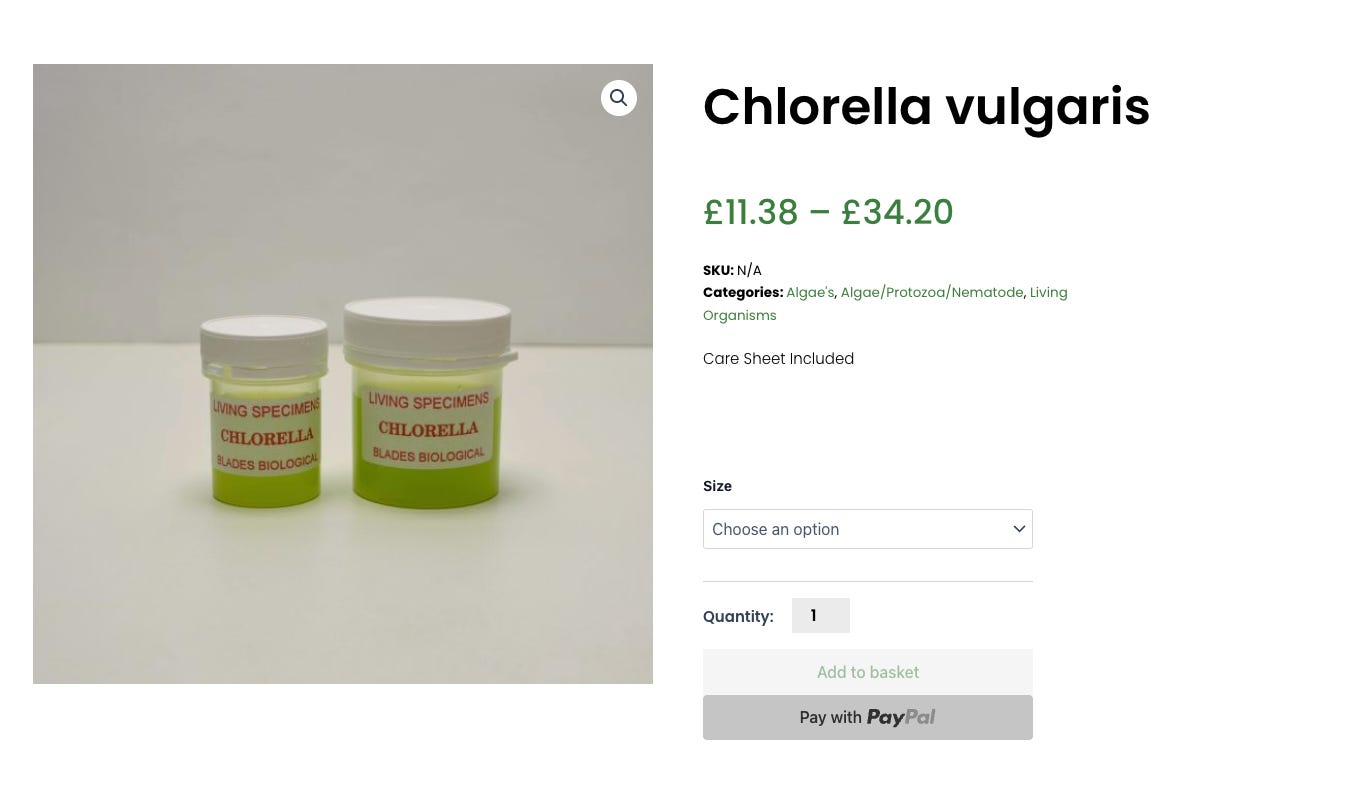
The species of algae I ended up choosing was chlorella vulgaris, because its non pathogenic and cheap. There were mixed cultures available too but I wanted to explore the photosynthesis patterns of just one thing.
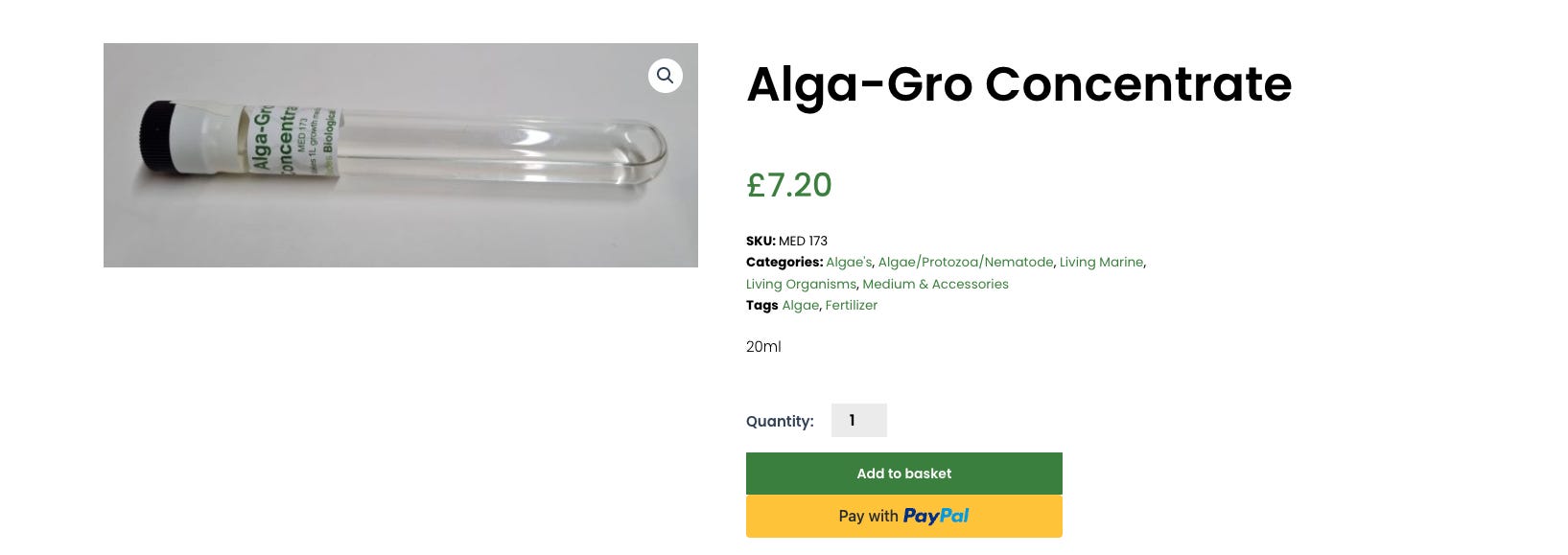
And then I also ordered some growth media from the same place to put it in. This was called alga-gro, the fresh water version.
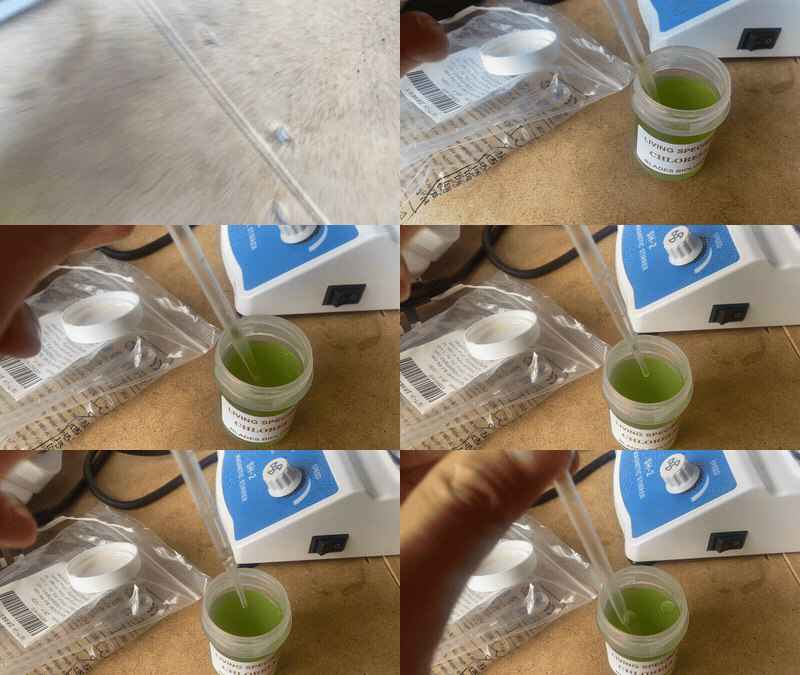
Aerating the algae
The first thing I did was opened the algae container and then quickly aerated it with a pipette. This is because the algae needs a little bit of oxygen to survive! Then I closed the container again, and then I left it for a day.
Preparing the growth medium
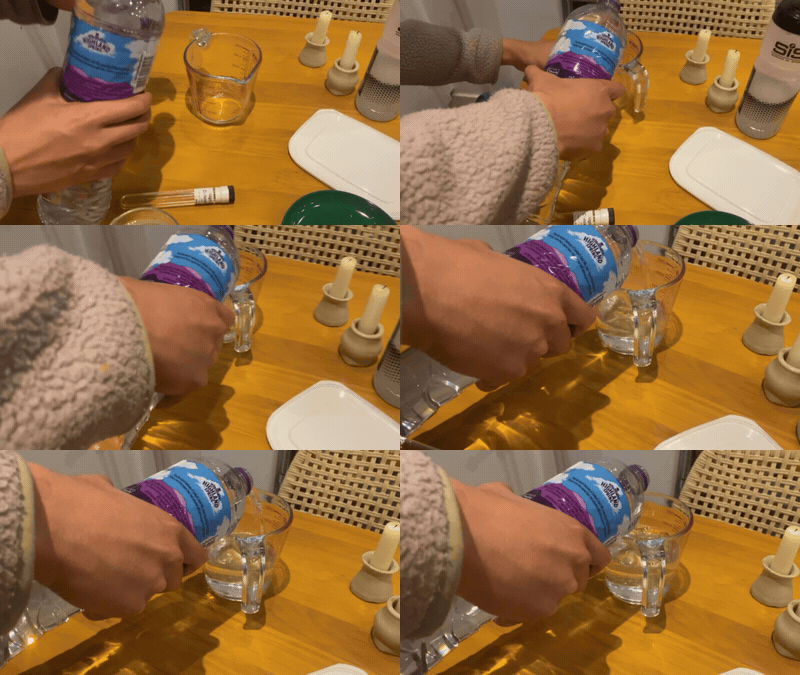
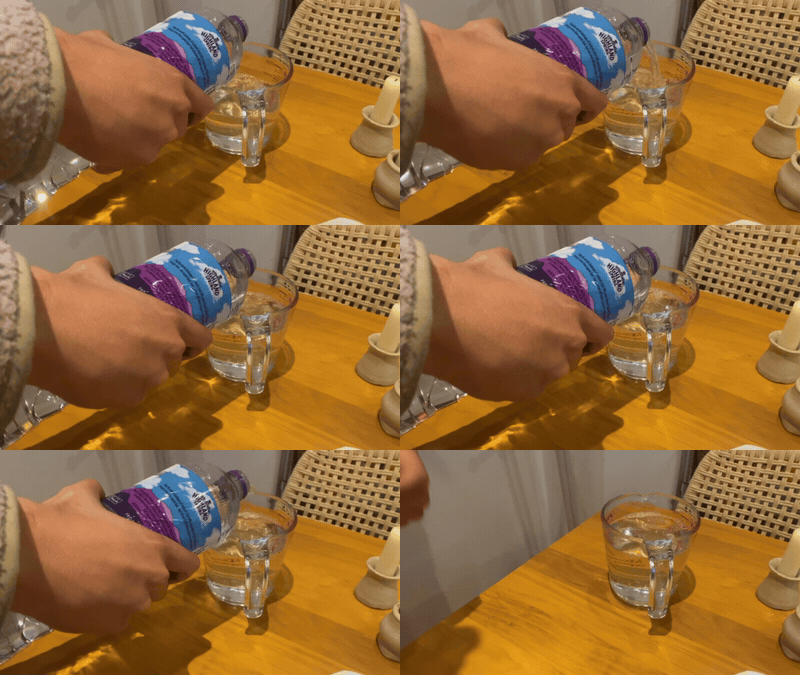
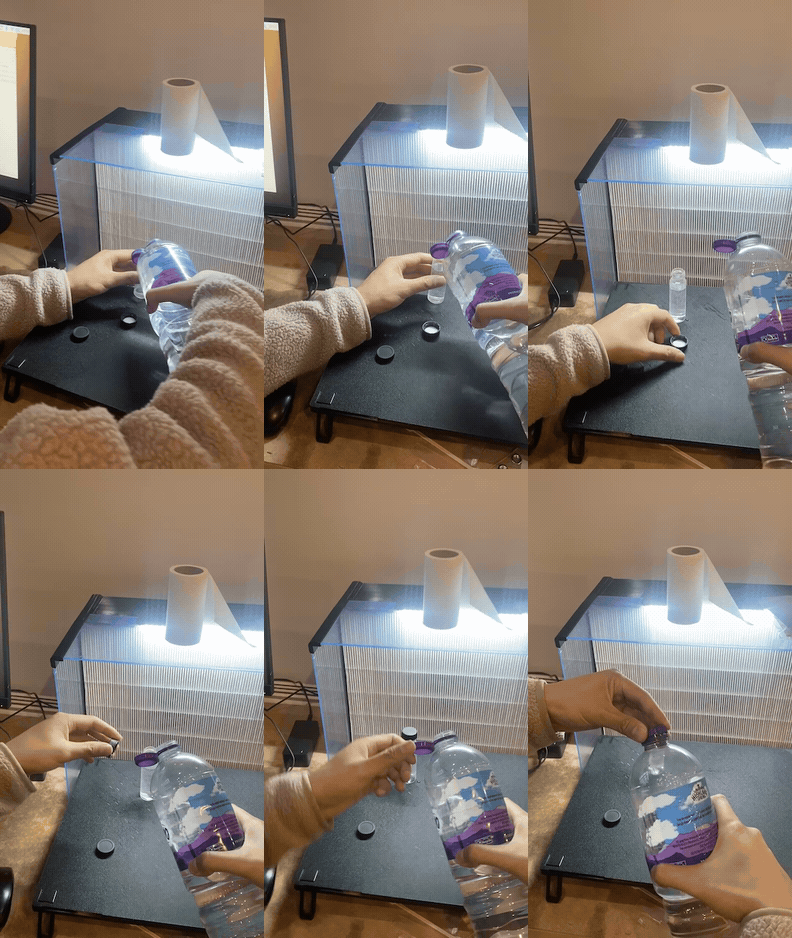
I needed to prepare the growth medium for the algae, so I followed the instructions on this care sheet. So the first thing I did was go to Tesco down the road. I got regular mineral spring water. I got a 1.5 litre bottle, and then I poured out 500ml into a measuring cup to get 1 litre in the bottle.
Then I just put the 20ml tube of alga-gro in and shook it up a bit.
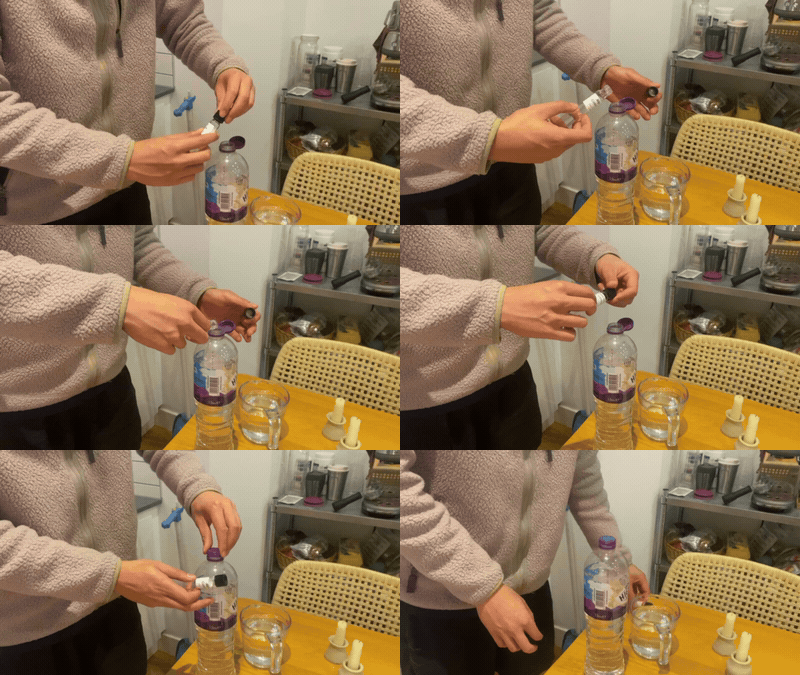
In theory it should be straightforward to make growth media by myself, but it was so cheap it's probably easier to just buy it.
## Sterilising the vial
Then I had to sterilise a vial to put the algae in. To do this I put water to a boil and then placed the vial inside it in for 10 minutes. This is what the vial looks like:
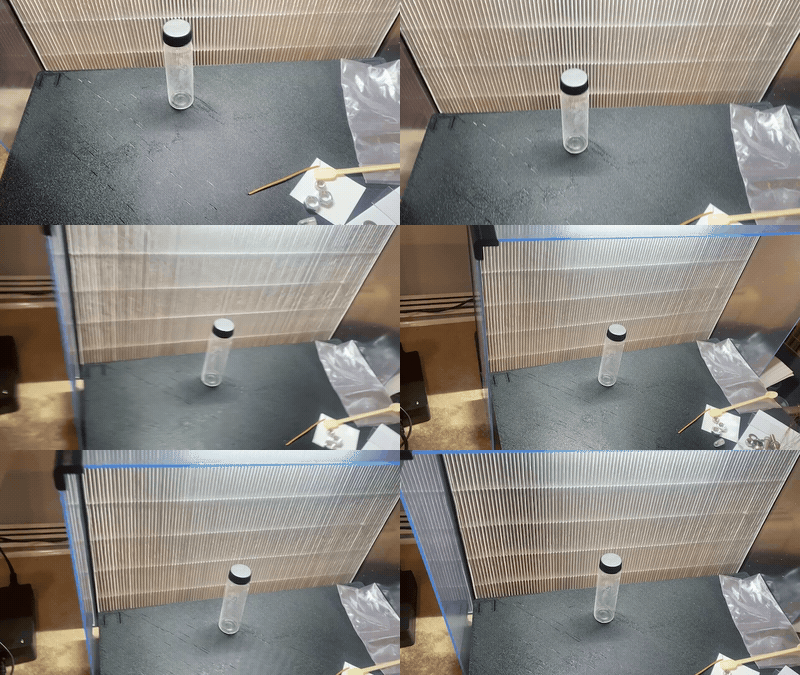
Then I just made some boiling water open air to put it inside. Of course the better way to do this would be trying to use a pressure cooker into an autoclave - that's on the list.
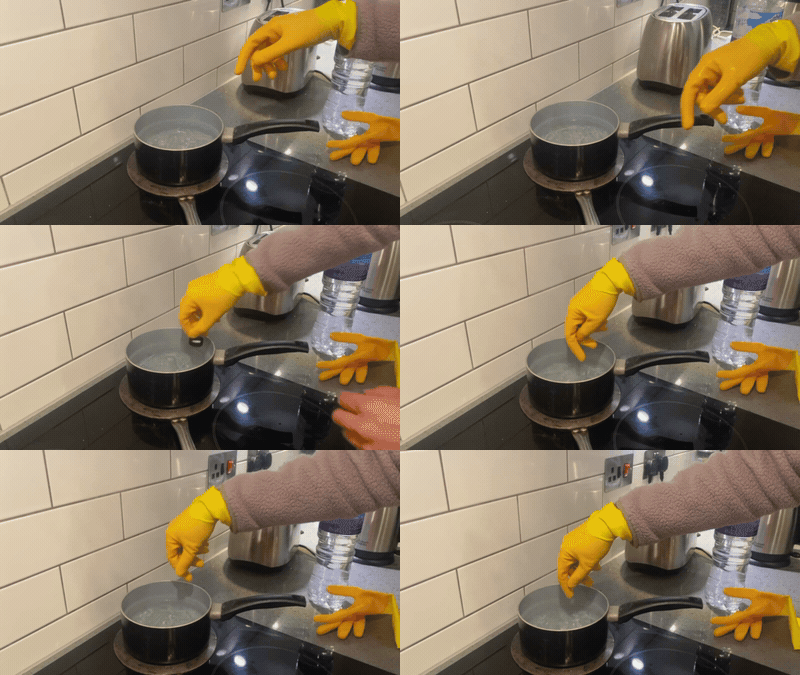
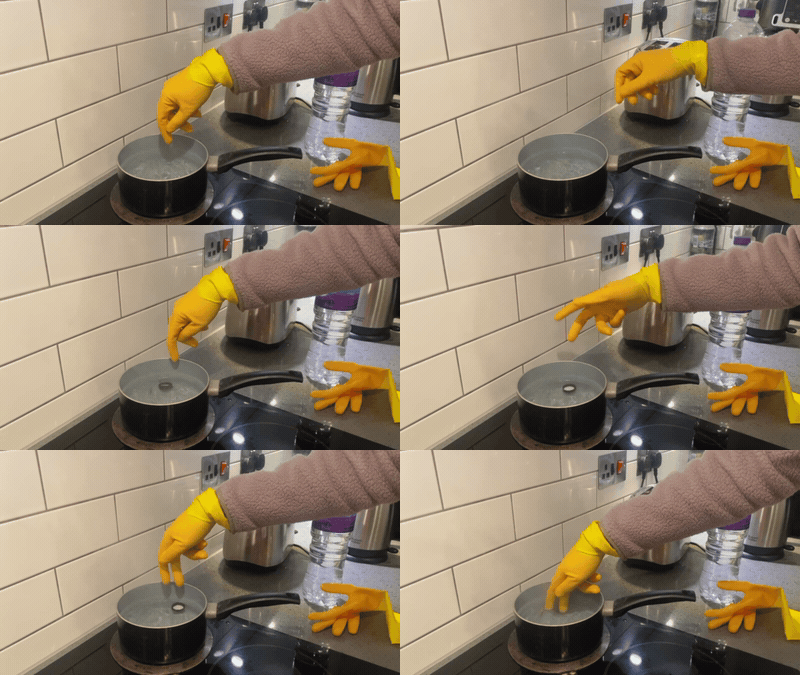
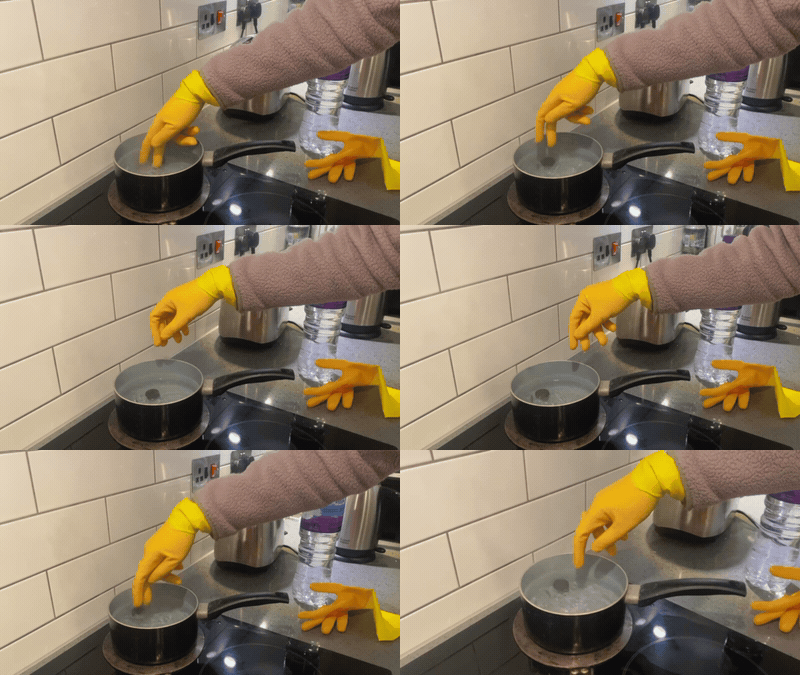
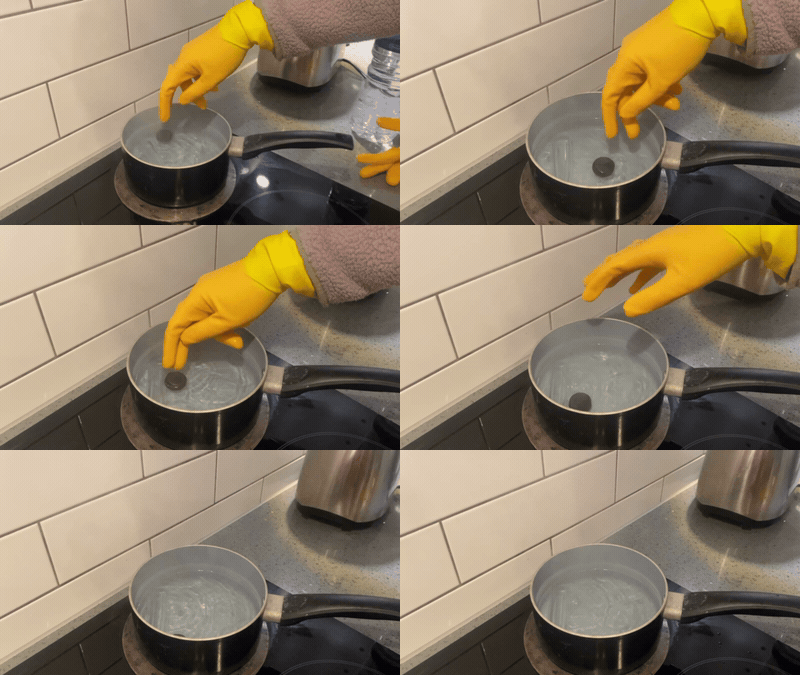
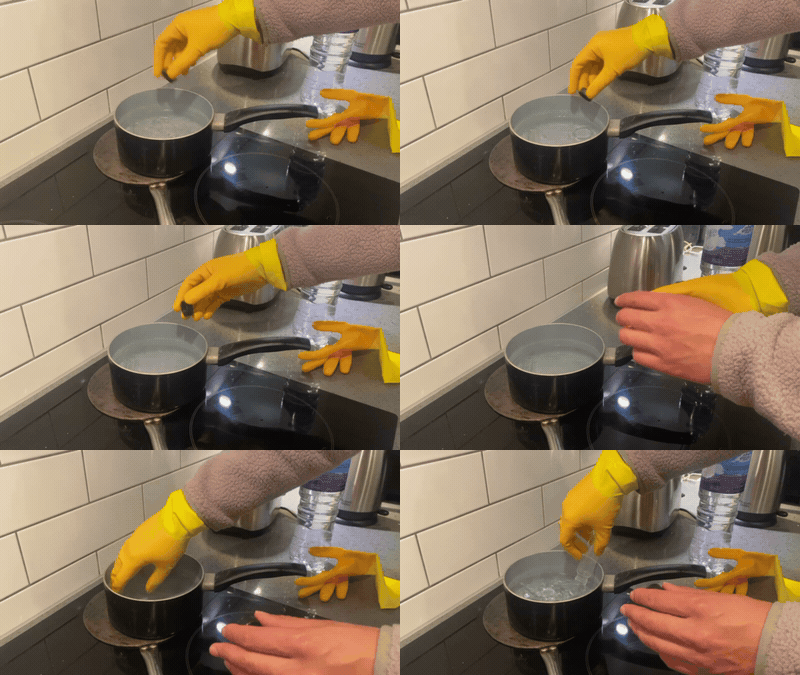
And then I put in the cap for a few seconds, took out the vial and then put it back on. I just wore a rubber cleaning glove to put my hand the water which was fine, and then I quickly out the cap back on.
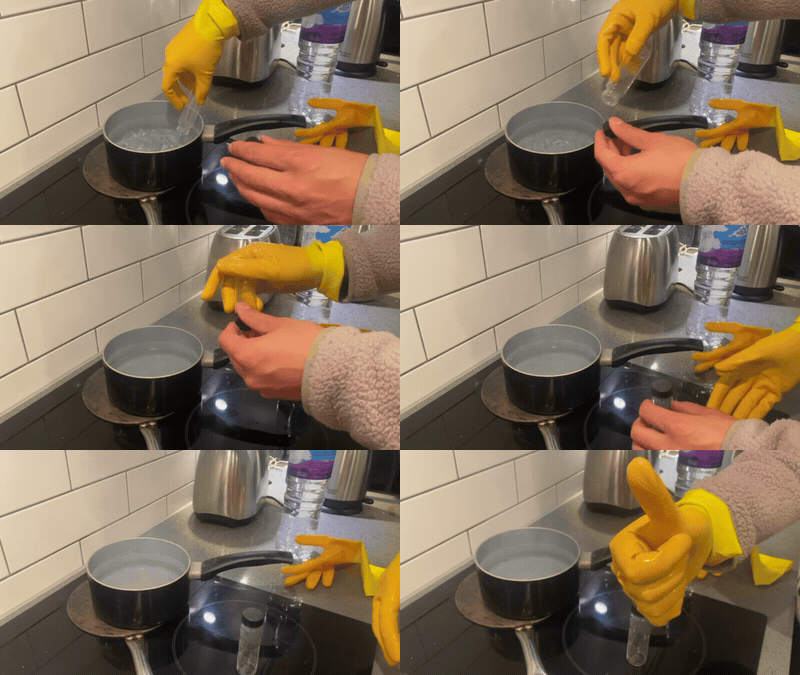
This is the sterilised container:
Putting the algae in growth media
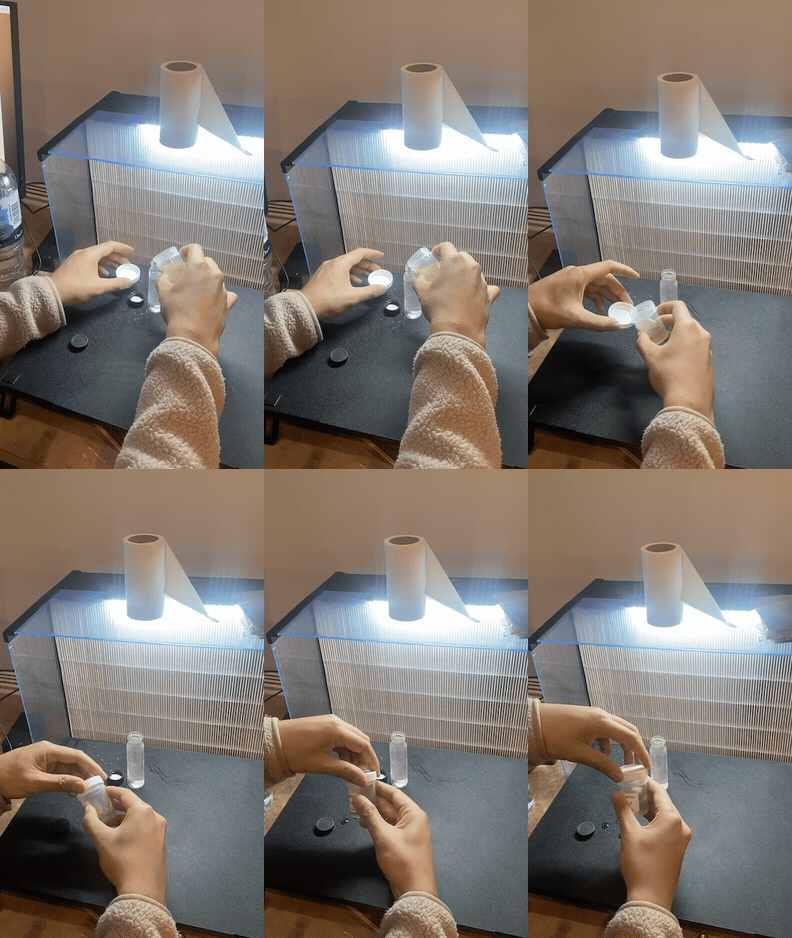
Ok then I needed to put my algae in growth media. Since there were a lot of open containers here I decided to use my laminar flow hood to make sure the air was clean. The first step was putting the growth media in my sterilised vial.
Then I poured a little bit of the algae inside. I'm not measuring anything right now because all I want to test is if I can just get the culture sterile enough to work on.
And then I hooked it up to the bioreactor by screwing the gas sensor over it!
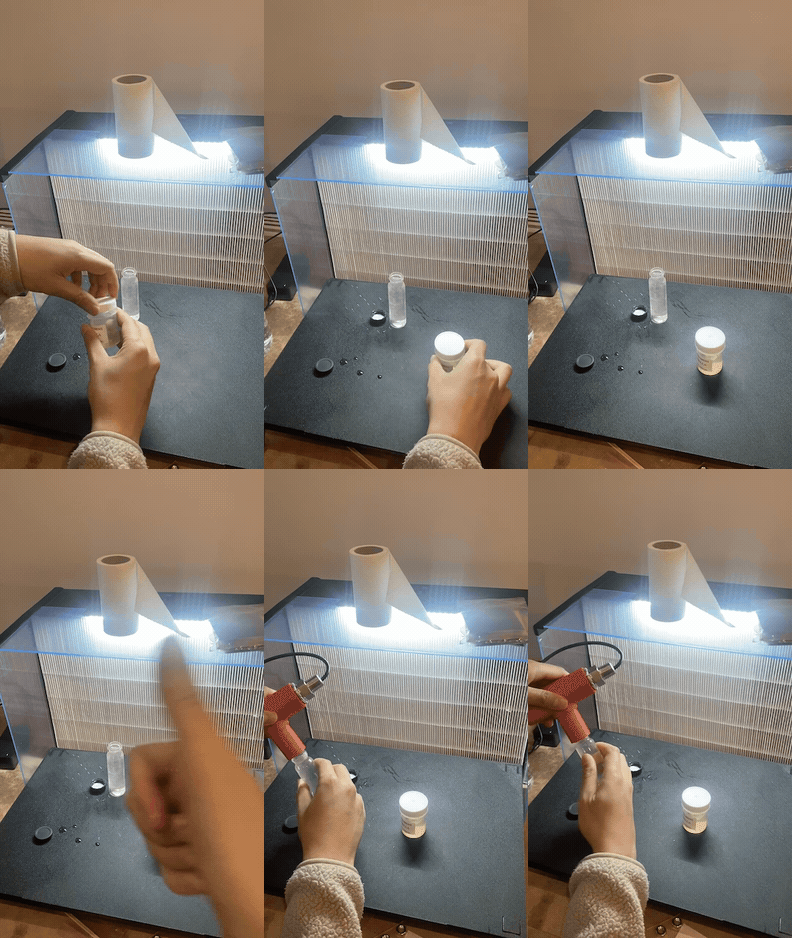
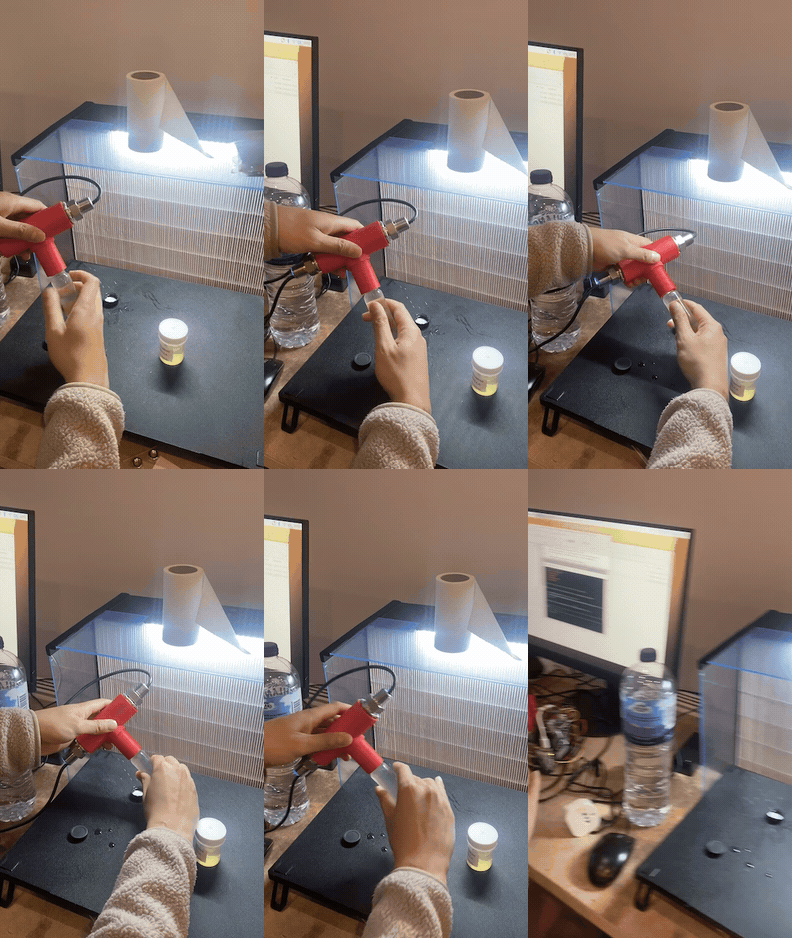
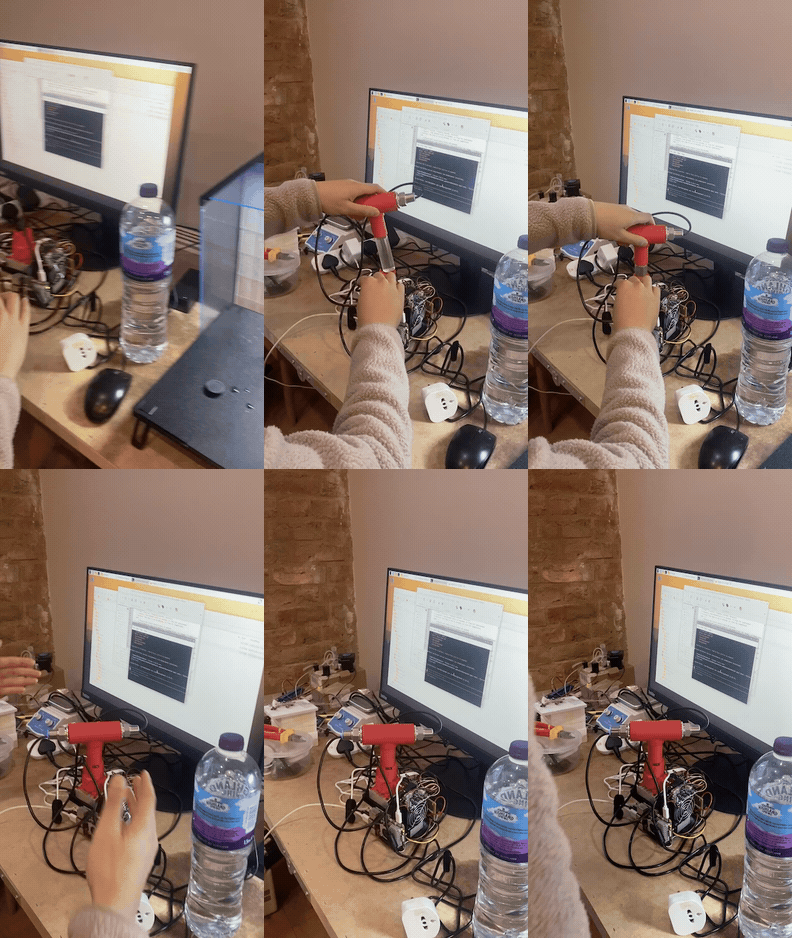
Ready to go. Now I'm just letting this ALGAE cook and then will figure out a way to see if the vial managed to stay clean without contaminants. I'll probably use my microscope for this to see if I can see any bacteria or whatever that isn't algae. Stay tuned for the results…
Acknowledgements
Thanks to David Jordan at the Living Physics lab for extensive discussions and help, all mistakes here are mine.
I really enjoy this type of post. I've wanted to do the same thing with PNSB. Good luck and keep sharing! I'm here for it.